Knowing how to tell if Pokémon cards are fake protects your collection and your money. Fake Pokémon cards turn up in cheap bundles, online listings and even in resealed packs, and some are surprisingly convincing. The good news is that most fakes fail a few simple checks. This guide gives you ten easy tests you can do at home, plus advice on spotting resealed sealed products.
New to rarities? Our rare Pokémon cards guide explains which cards are genuinely rare, which helps you spot when something looks too good to be true.
Why fake Pokémon cards are a problem

Fake Pokémon cards are not just worthless. They can ruin the fun of opening a gift, cost collectors money and, in the case of fake sealed products, make people think they have bad luck when the packs were never genuine. Counterfeiters often target the most popular cards, such as Charizard, Pikachu and Special Illustration Rares, because those are the cards people most want.
10 checks to tell if a Pokémon card is fake
1. Check the price
If a card or a bundle of rare cards is much cheaper than everywhere else, be suspicious. Bundles promising lots of gold or full-art cards for a few pounds are almost always fake.
2. Look for spelling and font mistakes
Real cards have consistent fonts and correct spelling. Fakes often have odd spacing, wrong accents on the word Pokémon, strange capital letters or attack text that does not make sense.
3. Compare the colours
Put the card next to a real common from any recent set. Fake cards are often too pale, too dark or oddly saturated, especially on the yellow border of older-style cards and on the energy symbols.
4. Check the card back
The back of a real card has a rich blue swirl with clear detail and a sharp Poké Ball in the centre. Fake backs are often blurry, the wrong shade of blue or slightly off-centre compared with the border.
5. Feel the texture
Modern full-art cards, such as Ultra Rares and Special Illustration Rares, have a fine raised texture you can feel with your finger. Many fakes are completely smooth or have a glossy plastic feel.
6. Look at the holo pattern
Real holo and reverse holo cards have a precise foil pattern. Fake holos often shine across the whole card in a rainbow sheen, including areas that should not be foil.
7. Do the light test
Shine a phone torch through the card in a dark room. Real Pokémon cards have a thin dark layer inside, so very little light comes through. Many fakes let light shine straight through. Compare with a real common card so you know what to expect.
8. Check the thickness and edges
Real cards have a consistent thickness and clean edges. If you look closely at the edge of a real card, you may see a thin dark line in the middle. Fakes can be thinner, thicker, flimsy or have rough edges.
9. Check the numbers and symbols
Look at the set symbol, card number and rarity symbol in the bottom corner. Fakes sometimes have numbers that do not exist in the set, the wrong set symbol or a rarity symbol that does not match the card.
10. Read the copyright line
Every real card has a small copyright line at the bottom naming Pokémon, Nintendo, Creatures and GAME FREAK, along with the year. Missing, blurry or misspelled copyright text is a strong sign of a fake.
Common types of fake Pokémon cards
- Metal or solid gold cards. Official cards are never made of metal. Shiny metal Charizards are novelty items, not real cards.
- Fake full arts and Special Illustration Rares. These copy popular chase cards and are often sold in cheap bundles.
- Cards with impossible Pokémon or attacks. Some fakes show made-up Pokémon, huge HP numbers or attacks that do not exist.
- Fake Japanese cards. Counterfeit Japanese cards exist too, so the same checks apply.
Fake graded cards
Graded cards are not immune. Counterfeiters sometimes make fake cases and labels, or put a fake card inside a case. Every major grading company gives each graded card a certification number, and you can check that number on the company’s website. If the details on the website do not match the card in front of you, walk away.
Checking Japanese and Korean cards
Fake cards are not only English. Counterfeit Japanese and Korean cards exist too, and they can be harder to judge if you are not used to the language. The same checks still work: compare the colours, card back, texture, copyright line and card number with a real card from the same set. Our Japanese vs English Pokémon cards guide explains how Japanese cards normally look.
How to spot resealed packs and boxes

Fake sealed products can be harder to spot than fake singles. Watch out for these warning signs:
- Loose or messy shrink wrap. Official boxes usually have neat, tight wrapping. Wrinkled, loose or bubbly wrap can mean a box has been opened and resealed.
- Crimps that look wrong. Booster packs are sealed with neat, even crimps at the top and bottom. Uneven, melted or glued edges are a warning sign.
- Packs that feel too light or too loose. Packs that rattle or feel unusually thin may have been tampered with.
- Damaged or mismatched boxes. Check that the box, packs and contents all belong to the same set.
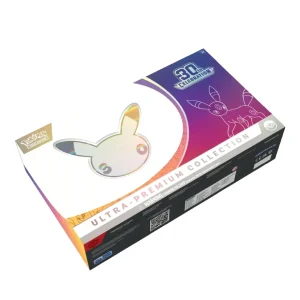
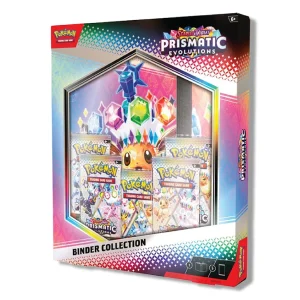
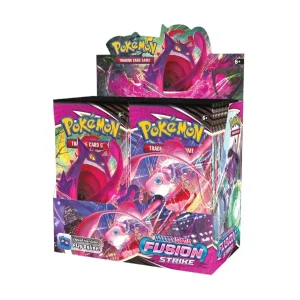
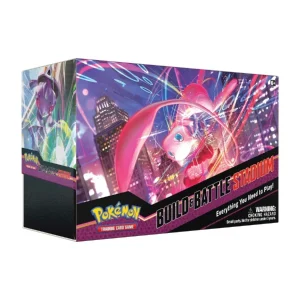
The safest way to avoid resealed products is to buy from established shops rather than unknown sellers. Browse sealed products from current sets in our English Pokémon cards and English booster boxes ranges.
What to do if you think a card is fake
- Compare it with a real card from the same set if you can.
- Contact the seller straight away and keep any listings, messages and receipts.
- Use buyer protection if you bought through a marketplace or paid by card.
- Do not sell it on. Selling fake cards as real is illegal and spreads the problem.
How to tell if a real Pokémon card has been altered
Not every problem card is a fake. Some real cards are altered, for example by having their surface cleaned, their edges trimmed or a stamp added. Trimmed cards are slightly smaller than normal, and altered stamps often look printed on rather than part of the card. If you are buying an expensive single, buying a graded card from a known grading company can give extra peace of mind.
Tips for buying Pokémon cards safely
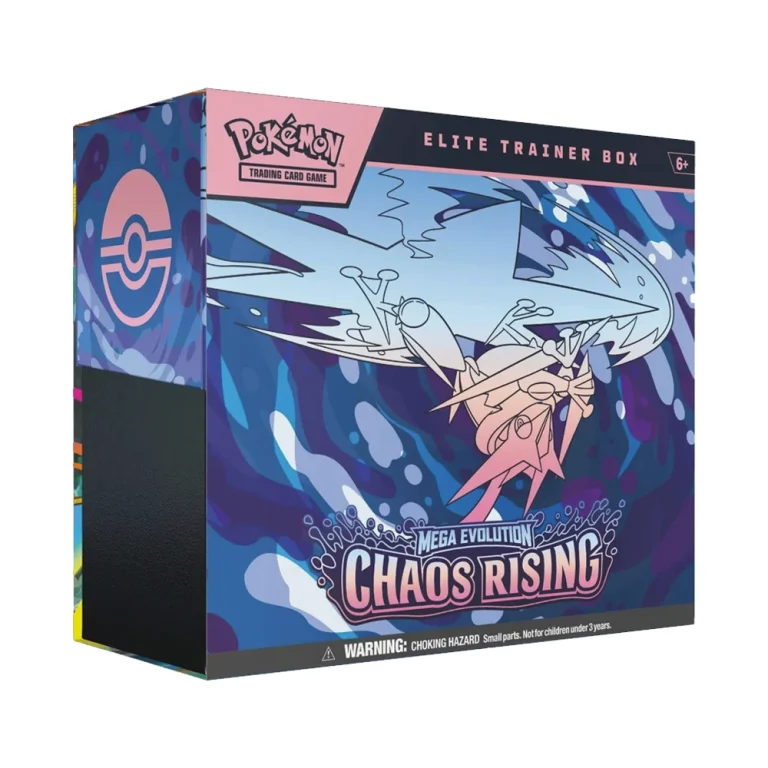
- Buy sealed products from trusted shops with clear contact details and returns policies.
- Be wary of prices far below the usual price.
- Ask for clear photos of the front, back and edges of any expensive single.
- Learn what real cards look like by keeping a few genuine commons to compare against.
- Check product names carefully. Official products have clear set names and logos.
Fake cards from different eras
Fake cards have changed over time. Older fakes often copy the original Base Set style, with a yellow border and simple holo, and they tend to have obvious colour and font problems. Modern fake cards copy full-art and Special Illustration Rare designs, so the texture and holo checks matter more. Whatever the era, comparing with a real Pokémon card from the same period is the best way to spot fake Pokémon cards.
Teaching children to spot fake Pokémon cards
Children often trade cards at school, which is where many fake cards change hands. A simple rule helps: if a card feels smooth and shiny all over, has strange words or shows a Pokémon with enormous HP, check it with an adult before trading. Keeping a few real Pokémon cards to compare against makes it easy for anyone to learn how to tell if Pokémon cards are fake.
Fake Pokémon cards and gifts
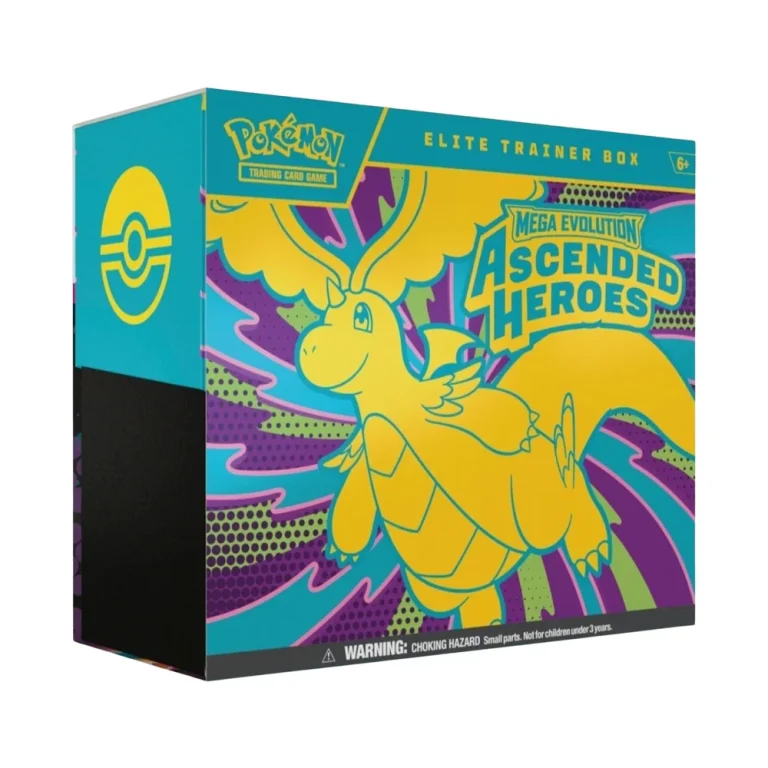
Many fake cards are bought as gifts by people who do not collect themselves. If you are buying for a child or a friend, stick to official sealed products such as a Booster Bundle, an Elite Trainer Box or a collection box. Our upcoming Pokémon sets guide shows what is coming next, and our pre-orders page lets you secure new releases early.
How to tell if Pokémon cards are fake: FAQs
What is the quickest way to spot a fake Pokémon card?
Compare it with a real card. Differences in colour, font, texture and the card back usually stand out straight away.
Does the light test always work?
It is a useful guide, but not perfect. Use it alongside the other checks rather than on its own.
Are metal Pokémon cards real?
No. Official Pokémon cards are never made of metal. Metal cards are novelty items.
Can booster packs be fake?
Yes. Fake and resealed packs exist, so buy sealed products from trusted shops.
Are cheap bulk lots of Pokémon cards fake?
Not always, but bulk lots that promise lots of rare or gold cards for a low price often contain fake cards. Check a few cards from the lot before buying more.
Do fake cards ever come in real boxes?
They can if a box has been opened and resealed, which is why checking the shrink wrap and pack crimps matters.
Where can I report counterfeit Pokémon products?
Contact the seller first, then report the listing to the marketplace. You can also contact Pokémon Support for official guidance.